
Skip to main contentSkip to footer

CAD-CAM & Reverse Engineeering

CAD-CAM & Reverse Engineering for Efficient Metal Manufacture

At LGM Engineering, our in-house CAD-CAM capability forms a critical link between design intent and efficient manufacture. We create, modify, and optimise part geometry to suit laser cutting, folding, fabrication, and finishing processes, ensuring designs are not only technically correct but also practical to produce. Using industry-standard software including AutoCAD 2026, Inventor 2026, Fusion, Inventor Nastran, and Rhino, we support a wide range of file formats and project requirements while maintaining full control over tolerances, material behaviour, and production intent. CAD-driven programming ensures components are prepared accurately from the outset, reducing errors and improving consistency from prototype through to production.

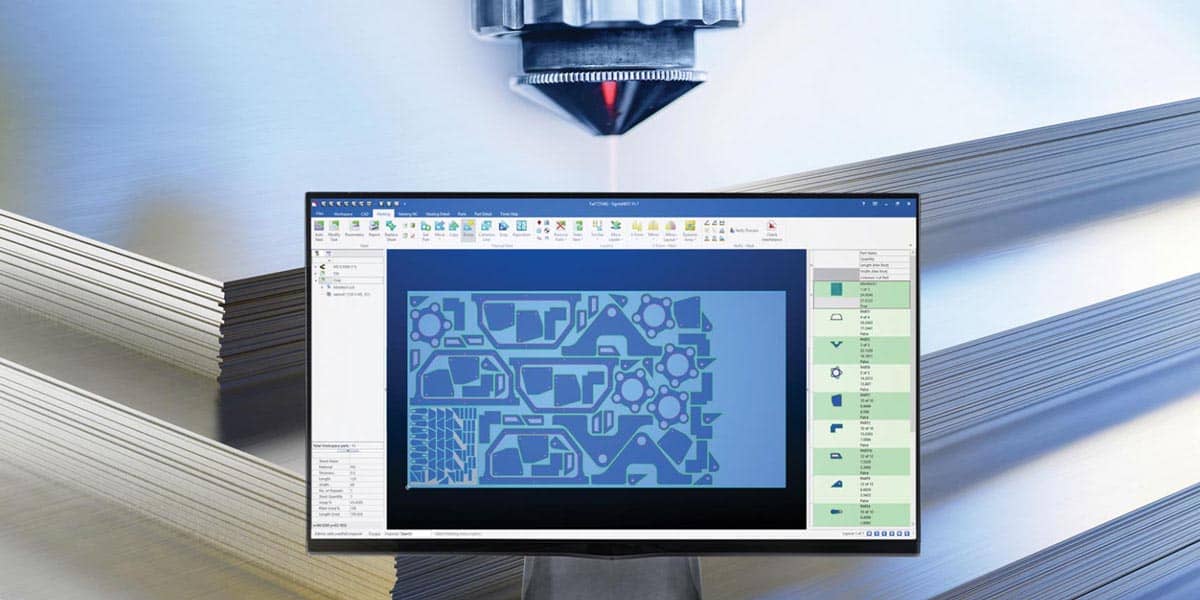
Our CAD-CAM workflow is fully integrated with advanced nesting software, allowing us to maximise sheet utilisation and minimise material waste. Intelligent nesting optimises part layout based on material type, thickness, grain direction, and cut strategy, reducing scrap and lowering material cost per part. This approach not only makes projects more commercially competitive, particularly on repeat or volume work, but also supports more environmentally responsible manufacturing by reducing raw material consumption. In addition, we provide reverse engineering services where drawings or digital data are unavailable or incomplete. Using physical components or assemblies, we recreate accurate CAD models suitable for repeat manufacture, improvement, or redesign. Reverse-engineered parts can be refined to improve fit, strength, or manufacturability, and validated against real production constraints before cutting begins. By combining CAD, CAM, nesting optimisation, and hands-on manufacturing knowledge under one roof, we reduce risk, shorten lead times, and ensure designs transition smoothly from concept to finished component.

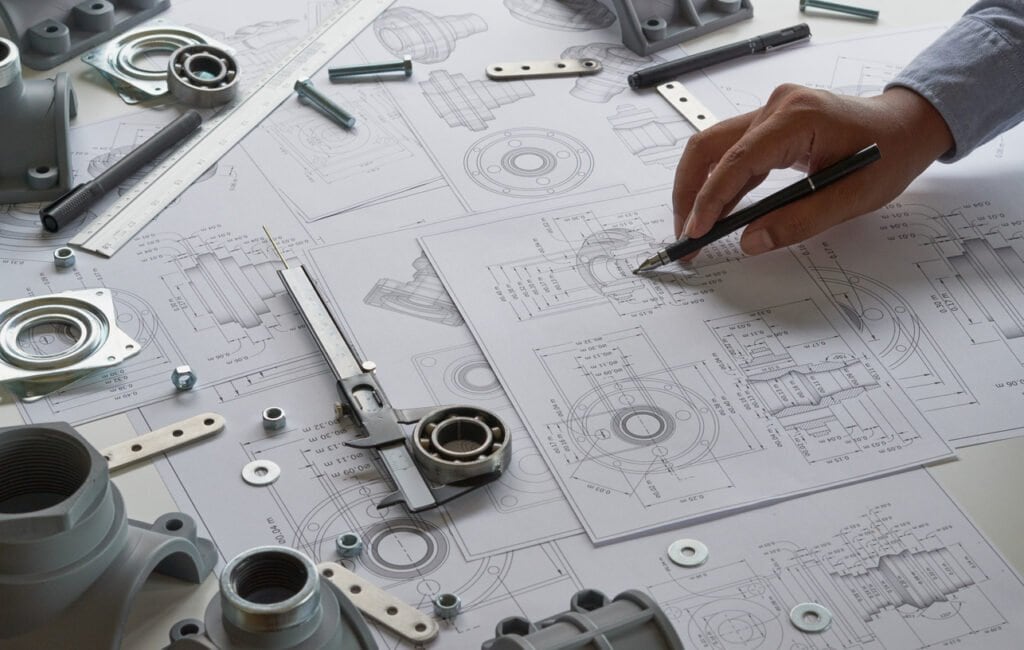
Engineering technical drawings with manufactured sheet metal components
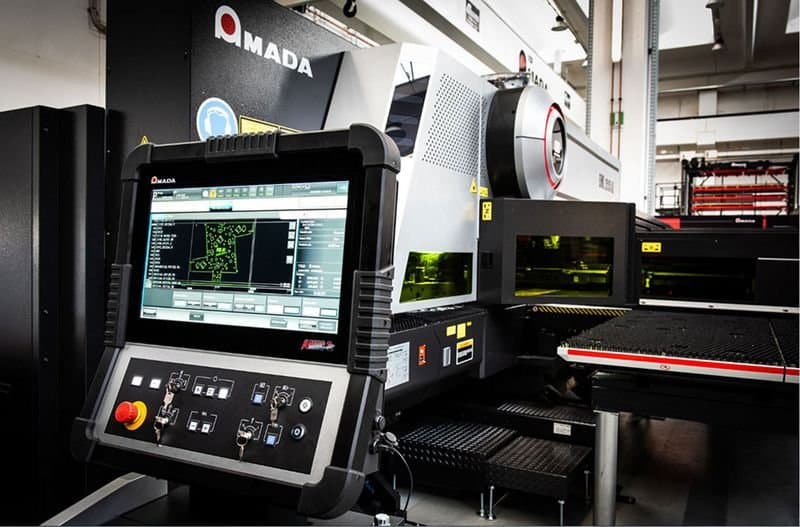
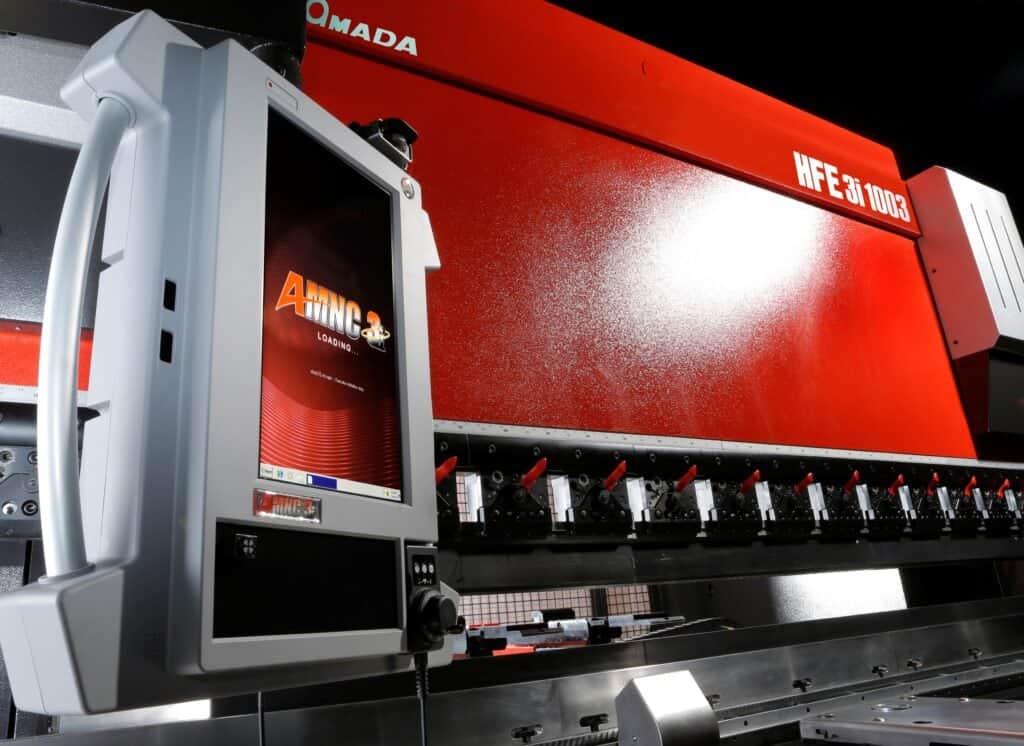
CNC machine control panel used for precision sheet metal fabrication
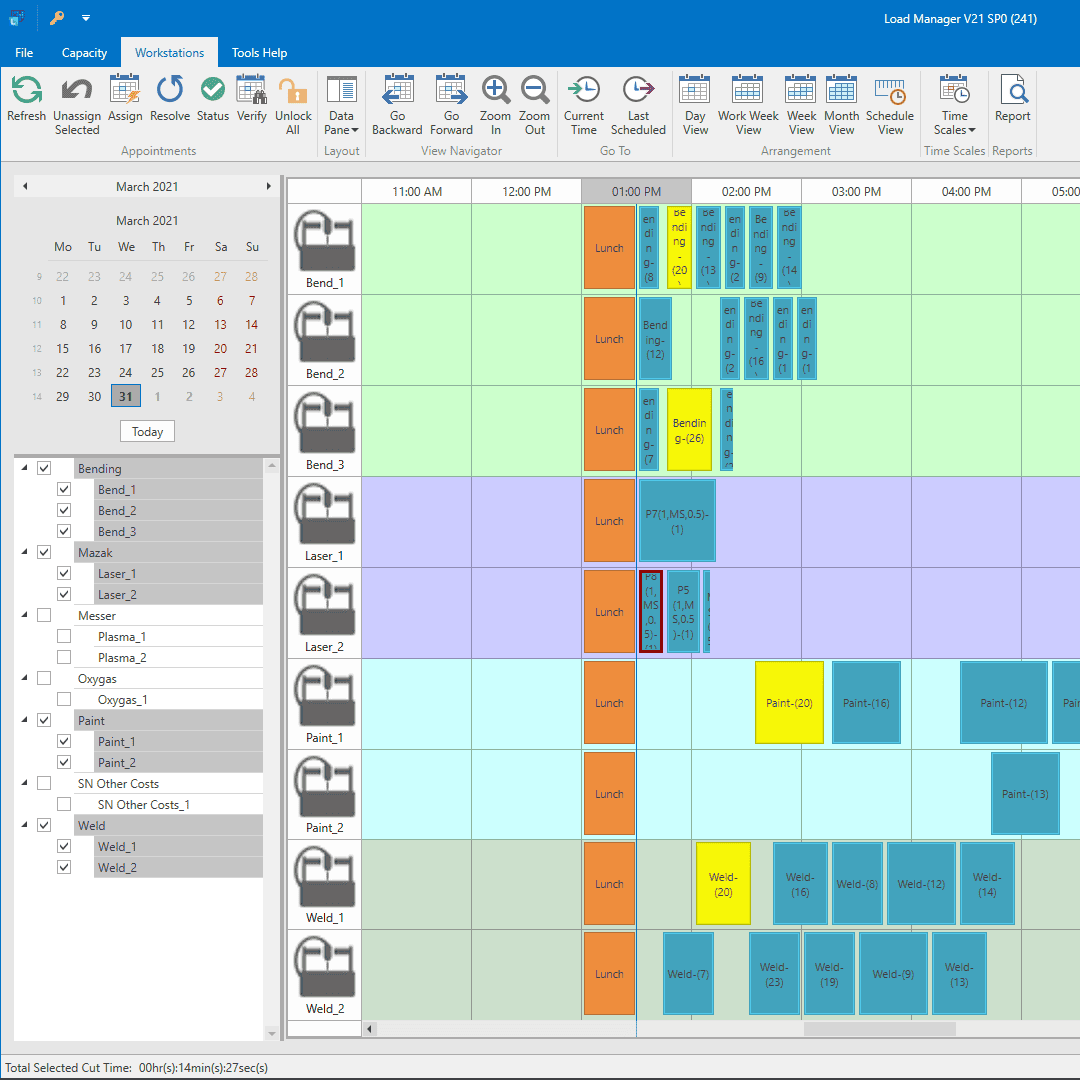
Production Planning software
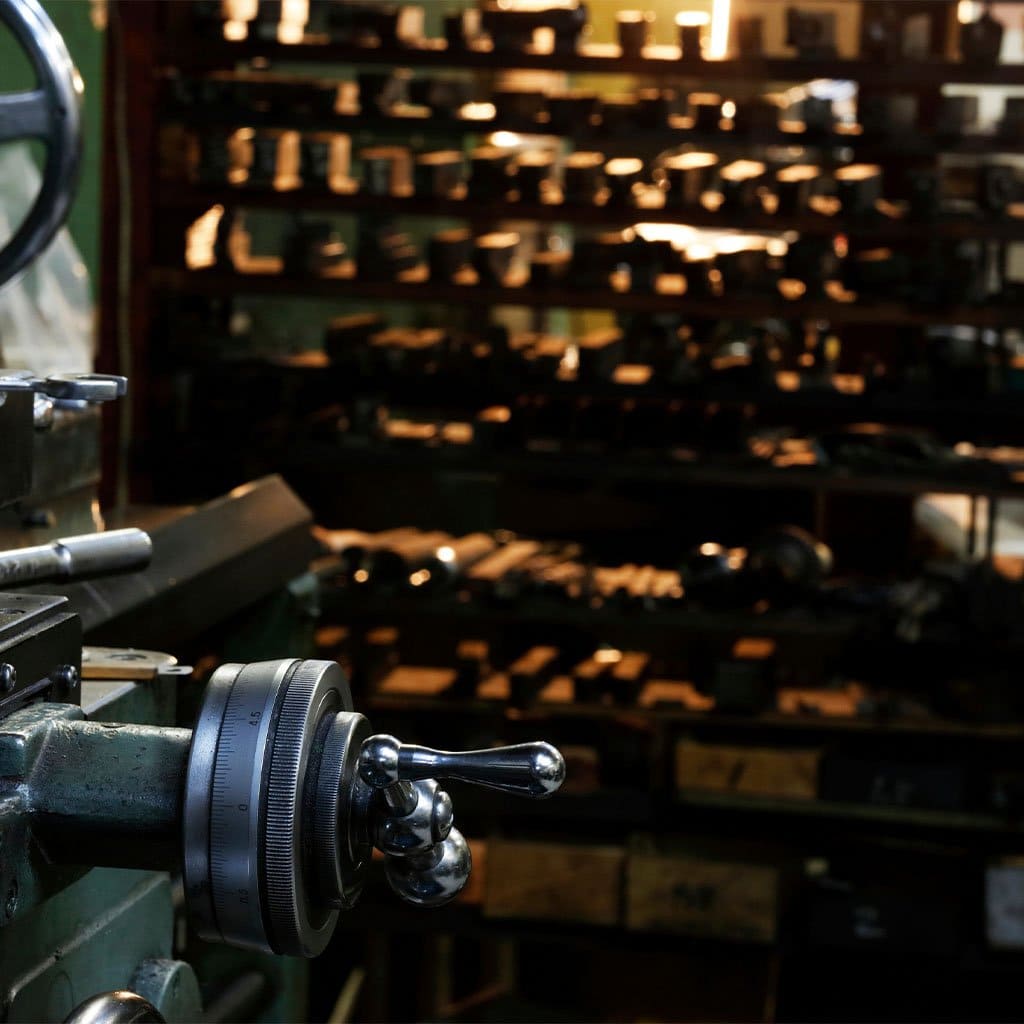
Close-up of CNC press brake tooling during sheet metal bending

CAD-CAM Capabilities

CAD Software

We use industry-standard CAD tools including AutoCAD 2026, Inventor 2026, Fusion and Rhino, allowing us to create, modify and validate designs across a wide range of component types and industries.

CAM Programming

CAM programming converts CAD data into machine-ready instructions, ensuring parts are cut, formed and fabricated exactly as intended while maintaining control over tolerances and process repeatability.

Nesting Optimisation

Advanced nesting software is used to maximise sheet utilisation, reduce scrap and lower material cost per part, improving competitiveness and supporting more environmentally responsible manufacturing.

Design for Manufacture

Designs are reviewed and optimised to suit laser cutting, folding and fabrication processes, ensuring parts are practical to manufacture and consistent in production.

File Compatibility

We accept and work with most common CAD file formats, enabling seamless collaboration with customers, designers and engineers without unnecessary file conversion or rework.

Revision Control

Clear revision management ensures design changes are tracked, approved and applied correctly, reducing risk and maintaining consistency across prototype and production batches.

Reverse Engineering

Where drawings or digital data do not exist, we can recreate accurate CAD models from physical parts or assemblies, suitable for repeat manufacture or design improvement.

Legacy & Replacement Parts

Reverse engineering supports replacement or discontinued components, allowing existing equipment and assemblies to be maintained without original design data.

Cost & Sustainability

Efficient nesting and CAD-CAM integration reduce material waste, shorten lead times and lower production costs, benefiting both project budgets and environmental impact.

Accepted CAD file Formats
3D File Import

Acis
Catia V4
Catia V5 
IGES
Inventor 
JT
NX
Parasolid
ProE
Solid Edge
Solidworks
STEP

2D File Types

DXF
AutoCAD DWG
NC1
DSTV
Illustrator
EPS

Other Services

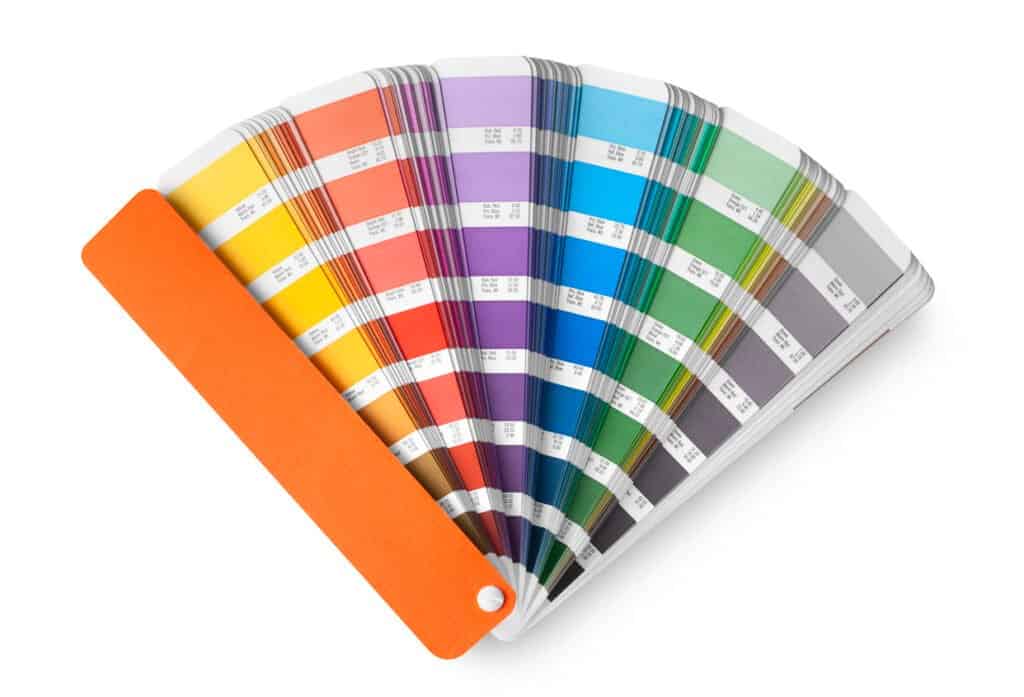
RAL colour swatch used for powder coating finishes

Painting and Polishing

Sand timer with blurred clock background representing fast turnaround service

Express Service

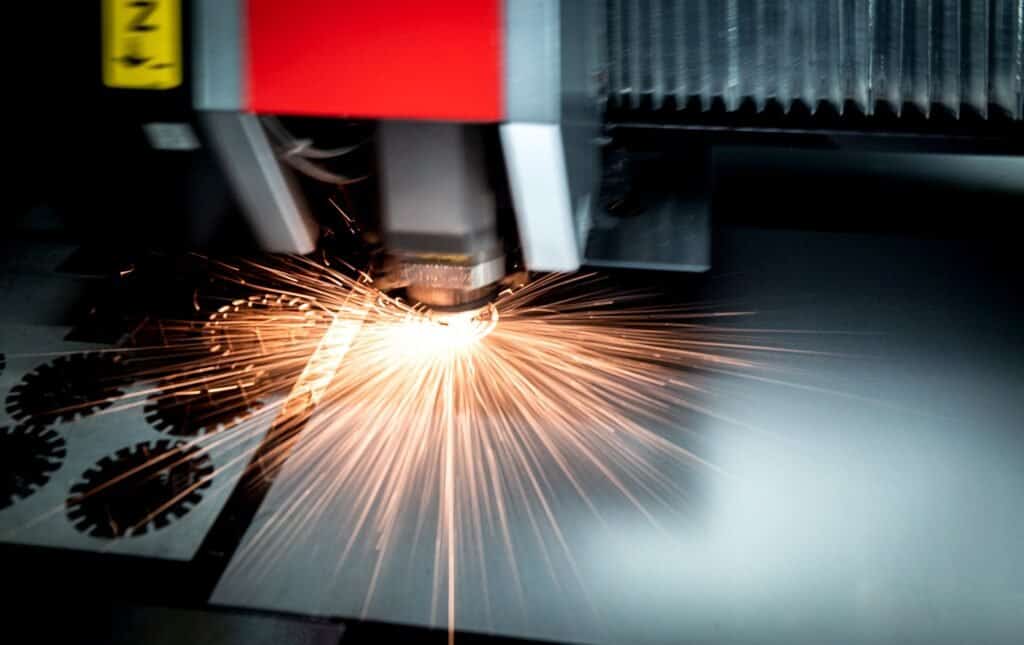
CNC fibre laser cutting sheet metal at LGM Engineering in Surrey

Laser Technologies

Secondary sheet metal operations including rolling, drilling and tapping at LGM Engineering

Secondary Operations

CAD-CAM & Reverse Engineering FAQ’s

Yes. We regularly modify customer drawings to:

  • Correct errors or omissions

  • Improve manufacturability

  • Align designs with laser cutting, folding and fabrication processes

All changes are discussed and agreed before production.

Nesting is the process of arranging parts on a sheet to maximise material usage.
Our nesting software optimises layout based on material, thickness and geometry, reducing waste, lowering material cost per part, and improving overall efficiency.

Yes. Efficient nesting can significantly reduce material usage, which helps keep pricing competitive, particularly on repeat or higher-volume work.

Yes. Improved sheet utilisation reduces raw material consumption and scrap, supporting more environmentally responsible manufacturing.

Accuracy depends on part complexity, condition and measurement method. We recreate models suitable for repeat manufacture and will advise if any features cannot be reliably captured.

Yes. Where appropriate, designs can be refined to improve fit, strength, tolerance control or manufacturability while retaining functional intent.

Yes. CAD-CAM data is reviewed against real manufacturing constraints before production begins, reducing risk, rework and delays.

Unless otherwise agreed, customer-supplied or customer-commissioned designs remain the customer’s intellectual property.

Yes. Our CAD-CAM workflow supports one-off prototypes through to short, medium and large production runs, with consistency built into repeat work.

  • Clear drawings, defined tolerances and early discussion of critical features significantly improve accuracy, cost control and turnaround time.

One More Question?

Let us know, if you need some help and didn’t find an answer to your question.

Contact Us

Call us or request a back call to contact our specialists

For presales questions and your order status email us at

    If sending multiple files, please upload a ZIP folder.

    Any files uploaded are used solely for quotation, engineering review, and manufacturing purposes,
    and are handled in accordance with our Privacy Policy.